A web-first healthcare platform for doctors and clinics, bringing scheduling, patient management, lab results, telemedicine, and payments into one streamlined workflow.
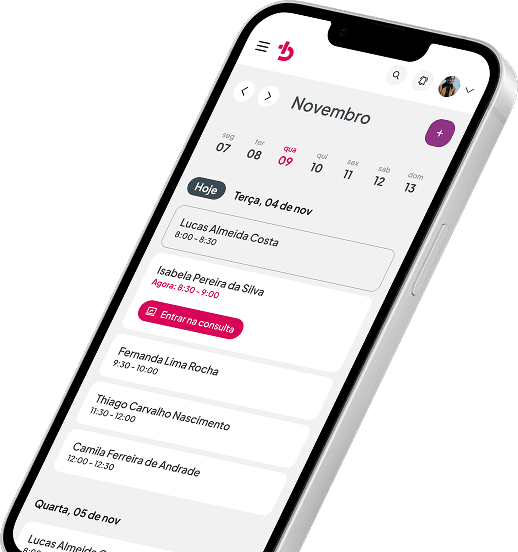
Built fast during COVID-19 to meet urgent demand, Consultorio ID saw strong early traction. But missing core capabilities and key UX issues quickly dropped daily appointments from 65 to 15—hurting revenue, increasing support volume, and pushing users away.
A full discovery + redesign to remove the biggest friction points, deliver the missing fundamentals, and create a scalable design system to speed up iteration.
+ 300%
More daily appointments
+ 25%
User base growth
Product revamp
in under 8 months
Whole product redesign
in 2 weeks
4 new features
shipped in under a year
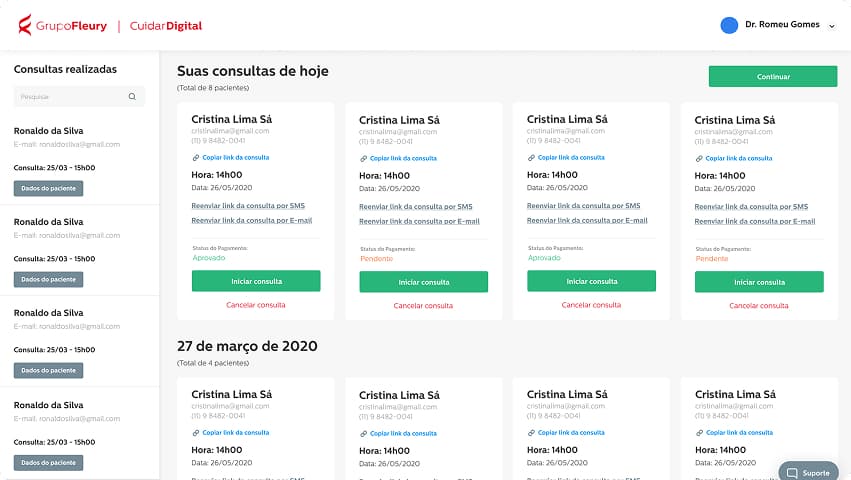
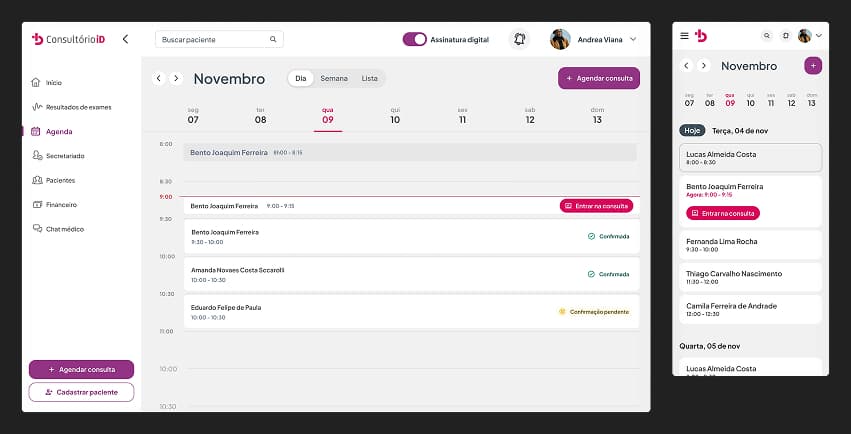
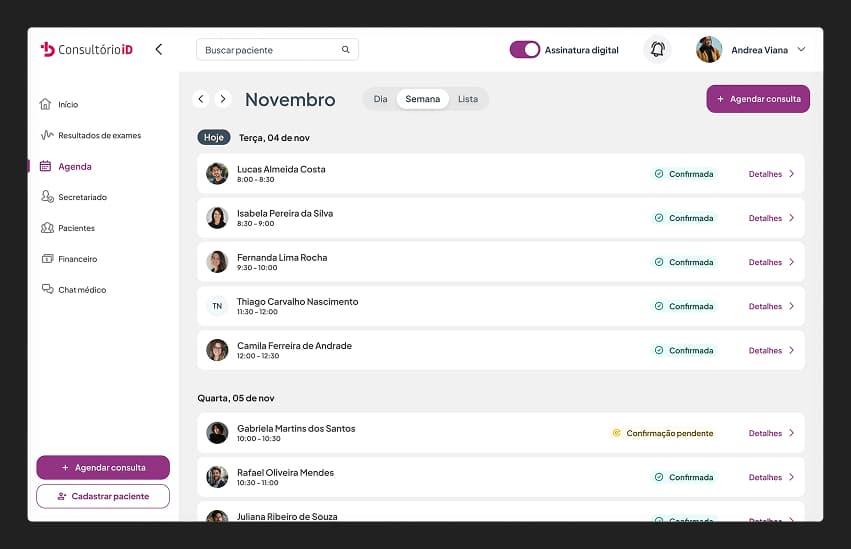
Scheduling was just a list of cards with no clear time structure, so many users relied on Google Calendar to stay organized.
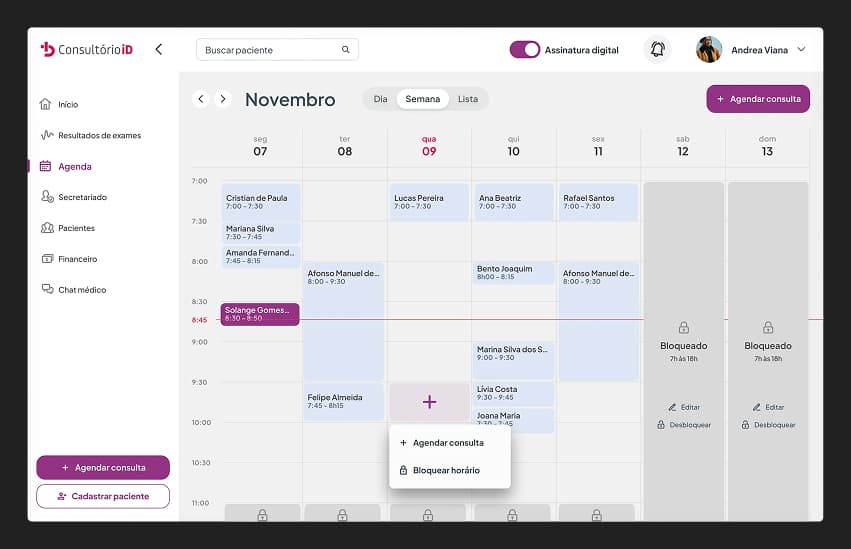
A drag-and-drop calendar with real-time availability and automated reminders—making it faster to manage appointments with confidence.
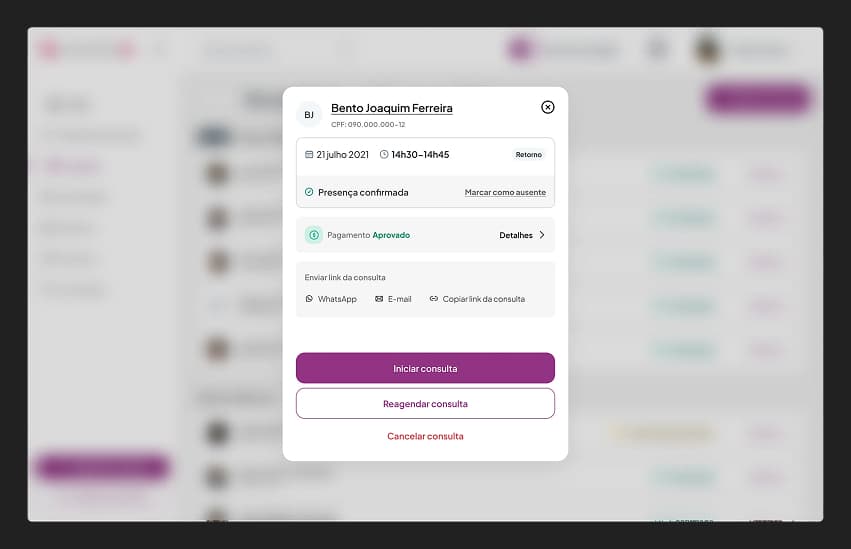
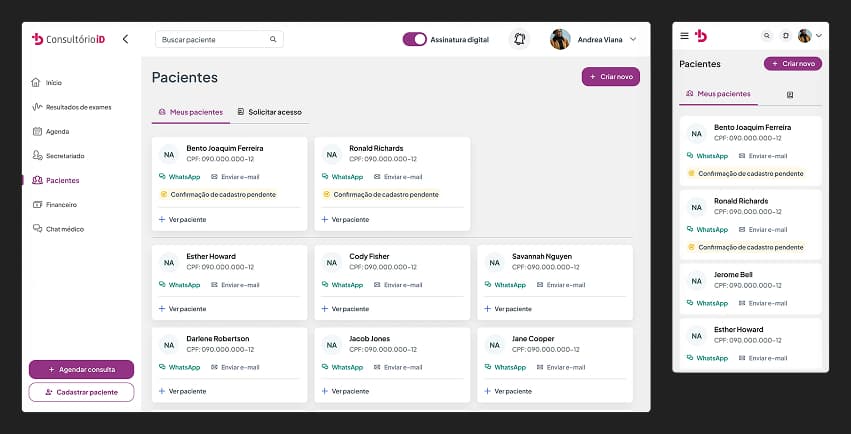
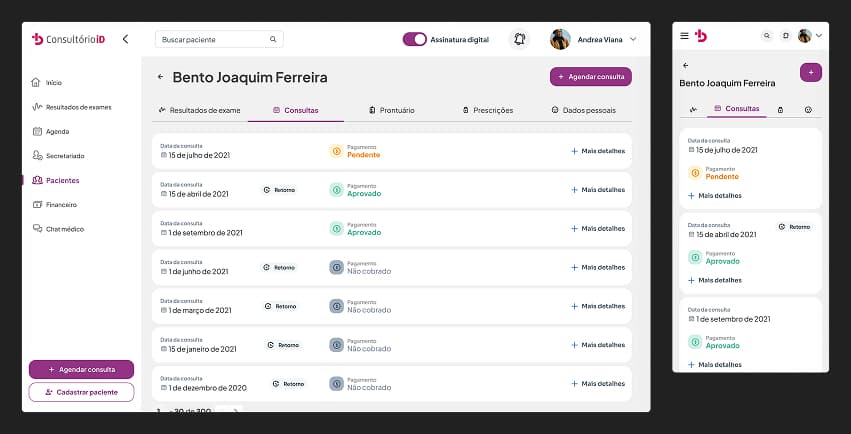
Patient management didn’t exist. Information was fragmented and only accessible through appointments or lab results. This had to be managed manually by the staff, often using paper, spreadsheets, or competitor tools.
A centralized patient hub across devices—appointments, lab results, payments, medical records, prescriptions, and key patient details—reducing the need for multiple tools.
With only online booking in the product, teams still had to manage patients elsewhere—often juggling Google Calendar, paper, spreadsheets, or competitor tools.
We built a flow that matched their real-world process:
Doctors and staff were the primary users, but research revealed the biggest drop-off was on the patient side.
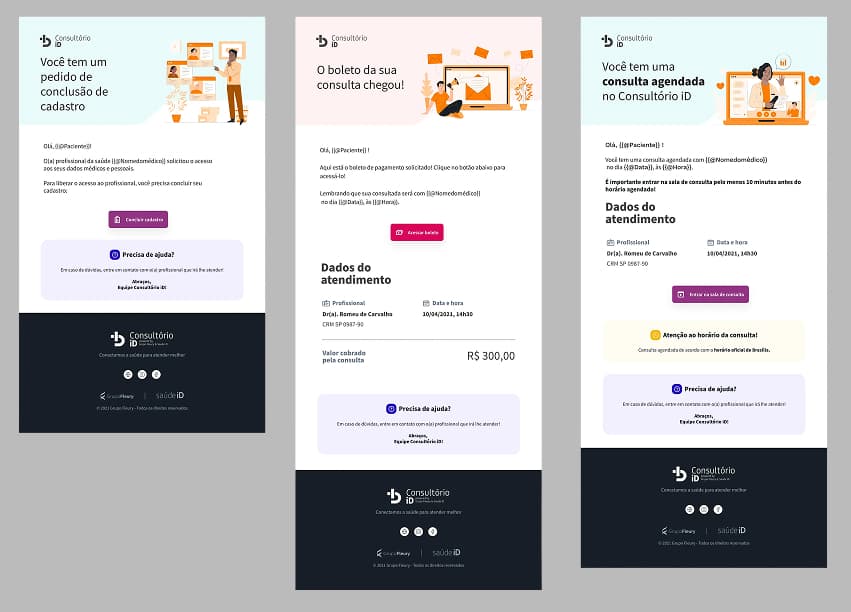
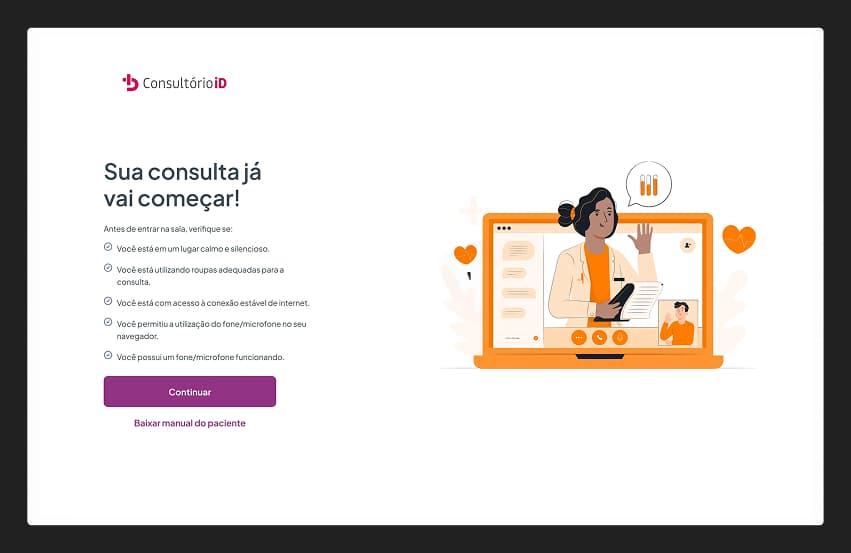
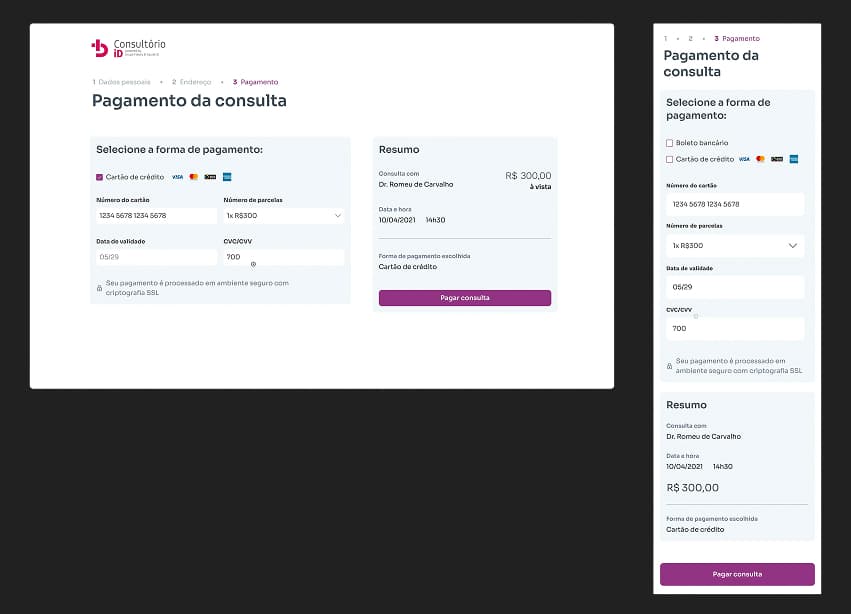
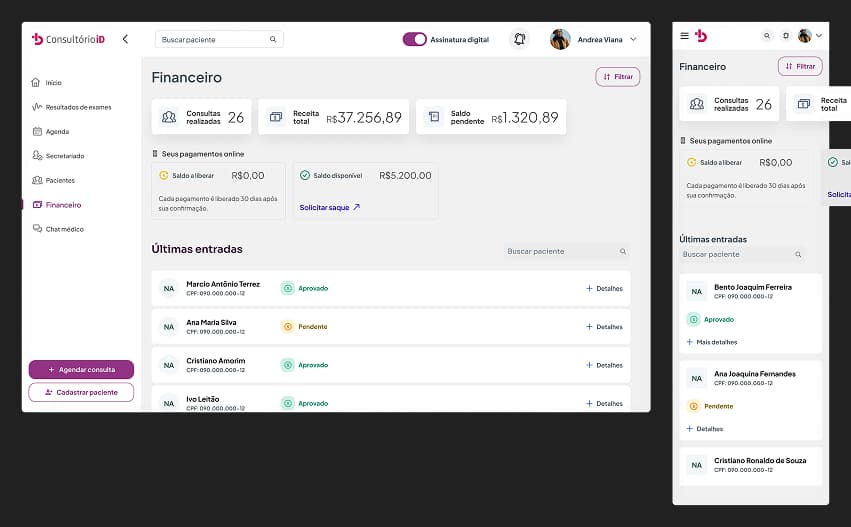
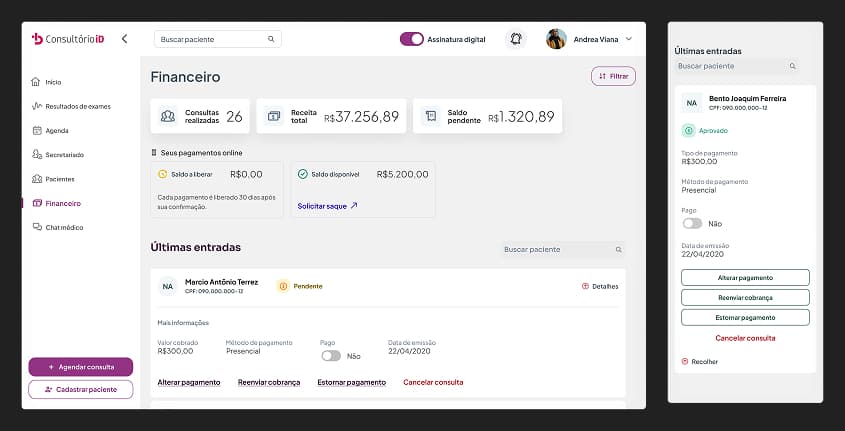
Consultório ID evolved from a fast-response solution into a mature, scalable healthcare platform. By addressing core usability gaps, and focusing on real clinical workflows, the platform regained trust, increased adoption and profitable.
The result was a more intuitive, reliable and accessible product that is helping lots of people to have access to healthcare, no matter where they are.
